Zen Artistry in the Modern World
An Introduction


Zen artistry in the modern world blends traditional aesthetics of Japan and Southeast Asia with contemporary expression, emphasizing simplicity, mindfulness and the beauty of imperfection. Although rooted in centuries-old
traditions, its core ideas resonate deeply with modern living in ways that promote balance, creativity and a deeper connection with the present moment. Today, Zen artistry inspires a wide range of creative disciplines while encouraging a more sustainable approach to living within today's fast-paced, technology-driven world. The following
are a few guiding principles that help to explain Zen artistry.
Simplicity (Kanso)
Zen artistry strips away the nonessential. The aesthetic of minimalism values simplicity, clarity and intentionality.
In practical terms, this principle resonates strongly with architecture and design emphasizing clean lines, calmness,
and function over ornamentation. Keep it simple and direct. Given the power of social media and the sometimes excessive nature of digital media entertainment, where distractions and noise abound, the principle of simplicity encourages us to reduce clutter — both physically and mentally. Adopting a simplified lifestyle can foster clarity of purpose and a steadier sense of confidence and balance.
→ Explore simplicity and minimalism.
Architecture and Technology Design
Simplicity in design and minimalism are two central tenants in the design of Zen inspired homes.
→ Explore how Zen artistry influences modern architecture and design.
→ Take a moment to see how today's garage serves as a powerful symbol of innovation and creativity.


Direct Action and Steadiness of Purpose
Zen encourages a sense of direct action and steadiness of purpose whether in the creative work we perform, relationships, and our everyday responsibilities. As writer Earl Nightingale once observed: "Success is the progressive realization of a worthy ideal,” and this realization unfolds not through rigid structures or calculated actions, but through consistent, mindful engagement with what truly matters. Zen artistry reflects a quiet confidence; being decisive
without being rigid, and focused without being forceful, allowing purpose to guide action with both strength and grace.
→ Explore Zen artistry and the pursuit of excellence.
→ Explore Zen artistry and work-life balance.
High Tech - High Touch
As technology becomes more pervasive and complex, the need for meaningful human and sensory experiences becomes increasingly important. High Tech–High Touch recognizes that technology works best when it enhances rather than diminishes our sense of connection, creativity, and authenticity. The challenge is not to reject technology, but to use it thoughtfully while preserving the qualities that give our work and lives meaning.


Digital Artwork/AI Generated
Mindfulness and Presence (Zanshin)
Mindfulness involves being fully present — aware of where we are, what we are doing, and how we engage with
the world around us. This awareness becomes a way of navigating daily life with a steady alertness and readiness.
In a work setting, this awareness can sharpen attention to detail and reduce careless errors. Likewise, it can make
play and adventure more vivid, allowing us to notice subtle beauty and joy without distraction. Both work and leisure can be guided by the same sense of balance, offering a more sustainable and intentional approach to daily life.
→ Explore the benefits and value of Meditation.
→ Explore the joy of travel and high-play adventure.


Harmony with Nature
Nature plays a central role in Zen artistry, fostering a deep, resonant connection between oneself and our natural surroundings. It reminds us that everything is fluid and in a continuous state of change. Mountains, rivers, and seasons reflect the rhythm of life — teaching acceptance, balance and respect. In observing nature, we learn to
move with change rather than resist it.
“The cherry blossoms fall not because they are broken, but because their time has come.”
The Zen Garden
The Zen Garden (also known as Kare Sansui or dry landscape) reflects simplicity in its most essential form —
using carefully arranged rocks, gravel, and limited plant life to create a space for quiet reflection and calm.

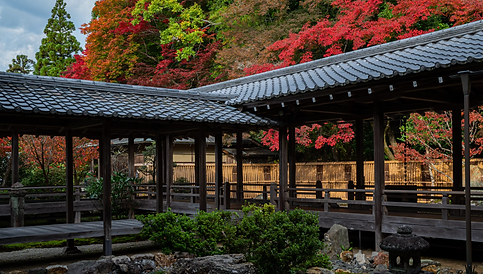
Photo: Samuel Berner - Unsplash
Simple Elegance (Wabi-Sabi)
Wabi-Sabi is a Japanese aesthetic and sensibility that finds beauty in imperfection, impermanence and the natural
processes of growth and change. Rooted in Japanese culture and closely associated with Zen aesthetics,
it encourages a deeper appreciation for simplicity, authenticity, and the sometimes aging and imperfect. Think of
a worn leather chair molded by years of comfort, the softness of a faded denim jacket or a favorite hat weathered
by sun and rain.
→ Learn more about the Japanese aesthetic of wabi-sabi.


Being Natural and Authentic (Shizen)
Zen teaches us the importance of being natural and authentic in our day-to-day activities both at work and at home.
Many of the challenges of modern work life stem from the constant pressure to compare, achieve, and seek recognition.
When our sense of worth depends too heavily on outside approval, inner stability becomes fragile. Zen encourages
a steadier and more grounded sense of self. The Japanese term Fudoshin (不動心), often translated as an “immovable
mind” refers to a calm, steady confidence that is not easily moved by praise, criticism, success or difficulty.
Health and Well-Being
Zen artistry and everyday living center on how we navigate our lives. It shapes how we care for ourselves, respond
to changing circumstances, and engage with each day's opportunities and challenges. Central to this idea is personal empowerment: developing a vision for the life we want to lead and then building the skills, mindset, and discipline to help accomplish the goals that we set out to achieve.
→ Learn more about health, well-being and everyday living
→ Learn more about the health benefits of Nordic Walking


A Way of Living
Zen artistry emphasizes simplicity in design, clarity of purpose, and authenticity in daily life. Creativity and insight
often arise not from adding more, but from letting go of what is unnecessary. These ideas quietly influence modern culture, from architecture and technology design to health and well-being practices. At its heart, Zen artistry invites
us to approach life with greater awareness and balance. It does not offer quick fixes. Instead, Zen encourages
a quieter and more sustainable way of living.
An Invitation
This website, Zen Artistry in the Modern World, offers practical tools for navigating modern life's complexity, encouraging people to slow down, live intentionally, and cultivate a deeper sense of awareness and peace.
Zen’s quiet influence continues to shape how we think, live, and work in the 21st century.
Rick & Casey Gershon
New Bern, North Carolina USA
Email: Zenartistry1@pm.me